
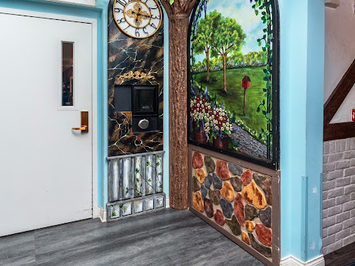
Short-term rehabilitation following a hip or knee replacement combines round-the-clock nursing care, physical and occupational therapy, and thorough preparation for your return home. Guests at Turner House Inn at Caretel Inns Brighton benefit from personalized therapy programs and 24-hour support from licensed nursing staff.
Life After Joint Replacement Surgery
Before a knee or hip replacement, it’s easy to picture the payoff: walking without the pain that has held you back for years. Then surgery is behind you, and your questions get smaller and more urgent. How will I get out of bed? Can I make it to the bathroom on my own? How do I put on my shoes?
If you are usually an active person, those everyday tasks matter. A joint replacement can ease pain and improve movement, but getting there takes time, practice, and help. Many people recover at home with the right support. Others need a short rehabilitation stay before they can manage safely on their own. Think of it as a temporary step between the hospital and home, where nursing care and therapy work together to get you ready.
If you live alone, find stairs difficult, or need more help than your family can realistically give, talk with your hospital discharge planner. Be honest about what recovery at home would demand. Even a willing caregiver may have a job, health concerns of their own, or limits on how much help they can offer.
For families exploring short-term rehabilitation in Livingston County, Turner House Inn at Caretel Inns Brighton provides post-acute care, including rehabilitation after joint replacement.
What to Expect During Your First 24–48 Hours
Expect the first day or two to be about settling in and talking through your recovery needs.
At Caretel, every rehabilitation guest is assigned a Transitions Coach, who coordinates both the medical and the practical sides of the stay. The wider care team includes physicians who specialize in rehabilitation, licensed therapists, nurses, and discharge coordinators. Together, they build your care plan and adjust it as you progress.
This is the time to speak up about what matters at home. Does your bedroom sit upstairs? Does your spouse need help, too? What do you want to be able to do on your own before you leave?
A few questions are worth asking during admission:
- Who should my family contact for updates?
- What does my surgeon allow me to do?
- How will we measure progress?
- What should I bring for therapy?
- Which room arrangements are available for my rehabilitation stay?
You don’t need to remember every answer. Keep a notebook handy, or ask a family member to help you keep track.
How Therapy Helps You Return to Everyday Life
Therapy is the heart of a short-term rehabilitation stay. Here is what each part involves.
Physical Therapy: Walking, Strength, and Balance
Physical therapy rebuilds the movement your daily life depends on. After a knee replacement, that may include exercises to improve how well your knee bends and straightens, strengthen your leg, and gradually increase how far you walk.
Your therapist also helps you practice using a walker or another recommended aid and, when appropriate, navigating stairs. Early sessions can feel demanding even when the exercises look simple. Progress often starts small: walking a little farther, or needing less help to stand.
Follow your surgeon’s instructions about how much weight you can put on your operated leg. Hip precautions vary with the surgical approach, so rely on the guidance your own team gives you.
At Caretel, the rehabilitation facilities include exercise equipment and a fully appointed kitchen for practicing daily tasks. Your goals and recovery needs guide how the team uses those resources.
Occupational Therapy: Dressing, Bathing, and Daily Tasks
Occupational therapy focuses on the activities that fill your day, such as dressing, bathing, and personal care.
After a joint replacement, you may need a new way to put on socks, reach for something on a shelf, or step into the shower. Depending on your care team’s recommendations, a reacher, a long-handled shoehorn, or a shower chair may help.
Ask to practice the tasks that worry you most. A question like “How will I get dressed when I’m home alone?” gives your team a specific problem to solve with you.
Pain Management and Incision Care
Pain can make both movement and rest harder after surgery. Tell your care team how you feel, especially if discomfort keeps you from taking part in therapy. Your clinicians can review your treatment and follow the prescribing provider’s instructions.
Incision care also follows your surgeon’s directions. Dressing instructions differ from one patient to the next, so don’t assume another person’s routine applies to you. Report increasing redness, drainage, fever, or new calf pain promptly. These symptoms need medical attention.
What Makes a Short-Term Stay More Comfortable?
Therapy fills only part of the day. The rest of the time, you need a place to rest, a good meal, and time with people who matter to you.
Caretel Inns Brighton describes its setting as cottage-like, with home-style furnishings and a variety of room layouts across the campus. Ask admissions which accommodations are available for Turner House Inn guests.
Between appointments, your options include chef-prepared meals, private dining spaces, activities, Wi-Fi, and outdoor walking paths. Check with your care team before joining physical activities or walking outdoors.
Visits help, too. Families can share a meal, offer encouragement, and talk through plans for coming home. Contact the community before visiting to confirm its current guidelines.
Preparing to Go Home
Start talking about home early. A good discharge plan reflects both your progress and the help you will actually have once you’re there.
Caretel’s rehabilitation services include home evaluations when needed, equipment coordination, and outpatient transition therapy for eligible guests.
Before discharge, work through three practical areas.
Make Your Home Easier to Navigate
Remove loose rugs and cords, improve the lighting, and talk with your team about bathroom supports. If stairs are still a struggle, ask whether you should set up a temporary sleeping space on the main floor.
Describe your layout as clearly as you can. Photos or measurements can help you explain a narrow doorway, a low chair, or steps at the entrance.
Confirm Your Equipment and Support
Ask which walking aid and bathroom equipment you need, how to get them, and who will help with meals, bathing, errands, and appointments. Finishing rehabilitation doesn’t necessarily mean you’re ready to handle everything alone.
Know What Comes Next
Before you leave, make sure you understand your medication instructions, incision care, exercises, and follow-up appointments. Confirm whether you’ll continue with home health or outpatient therapy, and whom to call with questions.
Frequently Asked Questions
How long does short-term rehabilitation last after joint replacement?
There is no single timetable. Ask your team for an estimated length of stay and for the specific goals you need to meet before returning home. Your mobility, medical needs, and available support all shape the plan. Recovery continues after discharge, too, and rebuilding strength and movement can take months.
Does Medicare cover short-term rehabilitation after joint replacement?
Medicare Part A may cover a skilled nursing rehabilitation stay if you meet its requirements. Surgery alone does not guarantee coverage.
Original Medicare generally requires a qualifying inpatient hospital stay of at least three consecutive days, a need for daily skilled care, and admission to a Medicare-certified facility. Time spent under observation does not count toward the hospital requirement. Some approved programs and Medicare Advantage plans may waive the three-day rule.
Before admission, ask your discharge planner and your insurer to confirm eligibility, authorization requirements, and potential costs.
Where is Caretel Inns Brighton located?
Caretel Inns Brighton is at 1014 E. Grand River Ave, Brighton, MI 48116. It serves families in Livingston County and nearby Washtenaw, Genesee, and western Oakland counties.
Plan Your Recovery Before Surgery Day
The best time to plan your recovery is before surgery day. Ask your surgeon what support you may need afterward. Talk through your home, your usual activities, and who can realistically help. Those answers will show you whether home is the right place to recover or whether a short rehabilitation stay would be a safer bridge back to it.
Don’t wait until discharge day to decide what comes next. Explore the campus through the virtual tour, then call Caretel Inns Brighton today at (810) 220-5222. Ask for rehabilitation admissions, find out how short-term rehabilitation at Turner House Inn works, and arrange your pre-surgery tour.

